Radiation Therapy for Pets: What Pet Owners Need to Know
February 10, 2026 · Veterinary Services

A cancer diagnosis in your pet can feel overwhelming. If your veterinarian has recommended radiation therapy for your pet, you may have questions about how it works, what conditions it treats, and what the process looks like from start to finish.
At Nashville Veterinary Specialists + Animal Emergency (NVS), our experienced veterinary oncology team is here to guide you through every step, providing compassionate, advanced cancer care tailored to your pet’s unique needs.
What Is Radiation Therapy for Pets?
Radiation therapy is an advanced cancer treatment that uses precisely targeted beams of radiation to destroy cancer cells or stop them from growing and dividing. By focusing the radiation directly on the tumor, veterinary specialists can minimize damage to surrounding healthy tissues.
Radiation therapy may be used:
As a primary treatment to control or eliminate cancer
After surgery to target remaining cancer cells
To relieve pain and discomfort (palliative care) when a cure is not possible
What Types of Cancer Can Radiation Therapy Treat?
Radiation therapy can be used to treat a wide range of cancers and conditions in dogs and cats, including:
Nasal tumors
Brain tumors
Soft tissue sarcomas
Mast cell tumors
Oral tumors
Bone tumors
Thyroid tumors
Anal sac tumors
Urothelial cell carcinoma (UCC)
Selected cases of lymphoma
In addition to cancer, radiation therapy may also be recommended for non-cancerous conditions, such as:
Pain relief for chronic conditions like osteoarthritis
Feline Idiopathic Cystitis (FIC) in cats
What to Expect Before Radiation Therapy
If your pet is diagnosed with cancer, your primary veterinarian may refer you to a board-certified veterinary oncologist at NVS. During your consultation, our oncology team will:
Review your pet’s medical history and diagnostic results
Discuss all available treatment options
Help you decide whether radiation therapy is appropriate
Treatment Planning
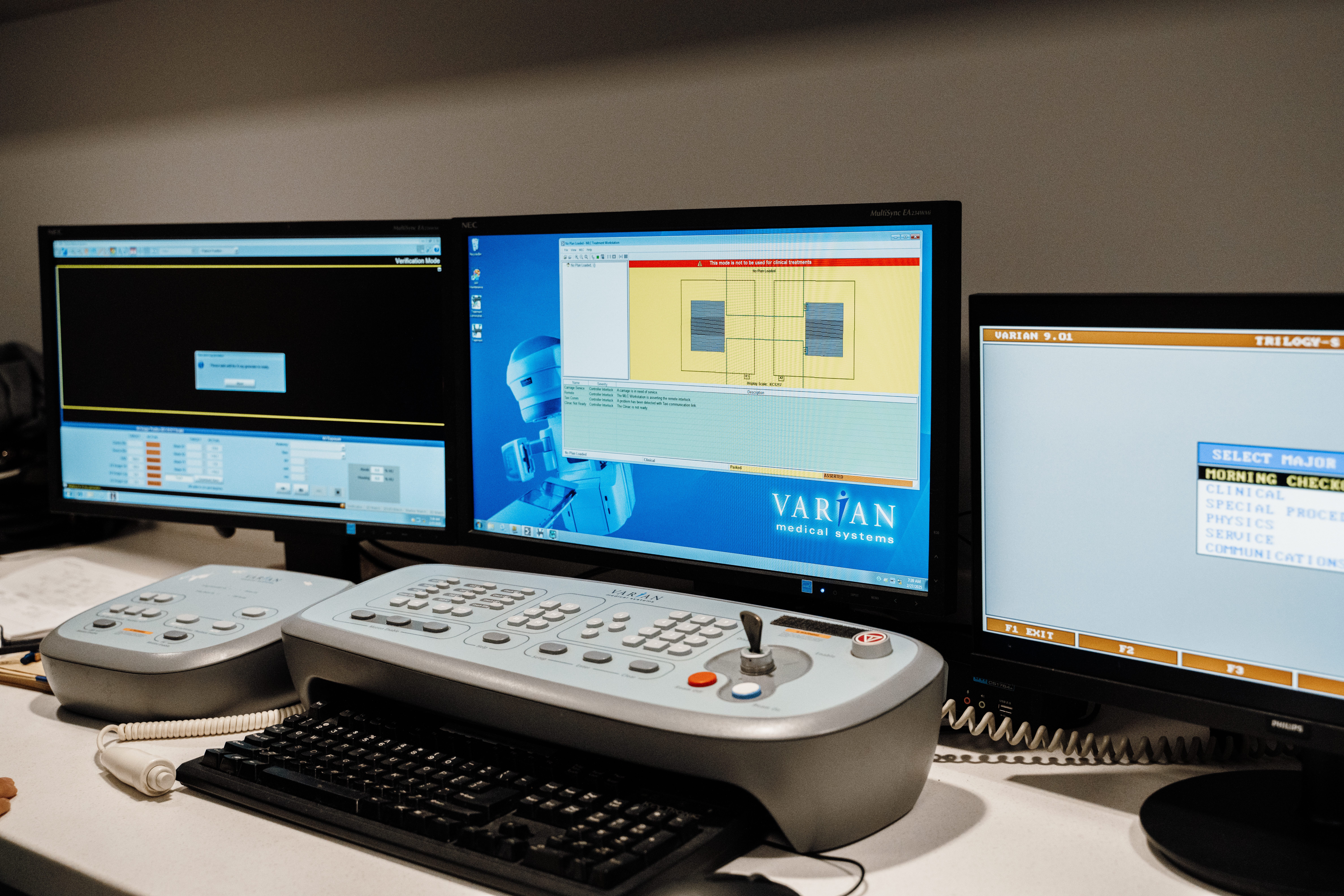
If radiation therapy is recommended, planning begins with a CT scan, which allows our team to map the exact size, shape, and location of the tumor. This ensures radiation is delivered as accurately and safely as possible.
Custom positioning devices are created specifically for your pet to keep them in the same position for every treatment, improving precision and consistency.
Our radiation oncologists then work with a multidisciplinary team to design a personalized treatment plan that maximizes tumor control while protecting healthy tissue.
What Happens During Radiation Therapy?
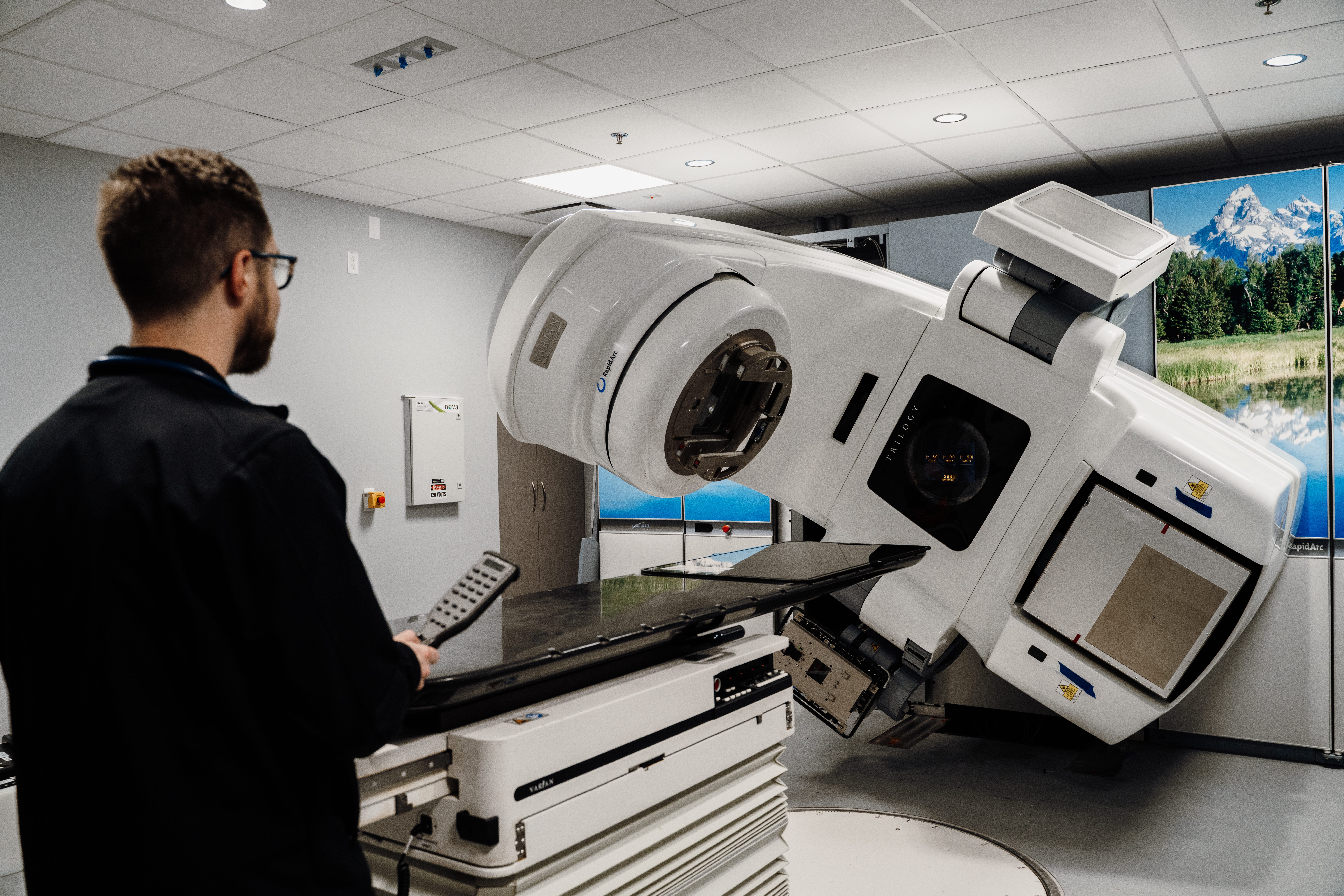
Radiation therapy for pets is delivered using a linear accelerator, a highly advanced machine with built-in imaging technology.
Depending on your pet’s diagnosis and treatment goals, radiation may be given as:
Fractionated Radiation Therapy (10-20 treatments): smaller doses over several weeks
Stereotactic Radiation Therapy (3-5 treatments): higher doses delivered in fewer sessions
Palliative Radiation Therapy (2-5 treatments): moderate does delivered in fewer sessions aimed at alleviating clinical signs
During Each Treatment Session:
Your pet is placed under short-acting anesthesia to ensure they remain completely still
The veterinary team positions your pet using custom molds
The machine rotates around your pet, delivering radiation from multiple angles
Each session typically lasts 15–30 minutes, with radiation delivered in just a few minutes
Your pet recovers from anesthesia and goes home the same day
Treatment schedules vary based on whether the goal is curative, palliative, or tumor control.
After Radiation Therapy: Recovery and Side Effects
Most pets tolerate radiation therapy very well. However, side effects can occur, usually affecting tissues near the treatment site.
Common Short-Term Side Effects:
Skin irritation or redness
Inflammation of the mouth or digestive tract
Dry eye
Temporary hair loss in treated areas
These effects typically resolve within 2-3 weeks as tissues heal.
Long-Term Effects:
In some cases, delayed effects such as tissue scarring may occur. Your veterinary oncology team carefully designs each treatment plan to minimize risks and will discuss all potential side effects with you in advance.
Ongoing Cancer Care and Support
Radiation therapy is often just one part of a comprehensive cancer care plan. After treatment, your pet will continue to receive follow-up care, which may include:
Physical exams
Imaging (X-rays, CT scans, or ultrasounds)
Bloodwork and other diagnostics
Some pets may also benefit from surgery, chemotherapy, or additional radiation treatments. At every stage, you’ll work closely with your pet’s care team to make informed decisions based on your pet’s comfort, quality of life, and response to treatment.
Supporting You Through Your Pet’s Cancer Journey
Choosing radiation therapy for your pet can feel intimidating, but understanding your options empowers you to make the best decision for your family. With the expertise of a skilled veterinary radiation oncology team, radiation therapy can reduce pain, control tumors, improve quality of life, and in some cases, extend survival time.
If your pet has been diagnosed with cancer or you’d like to learn more about veterinary radiation therapy in Nashville, the team at Nashville Veterinary Specialists + Animal Emergency is here to help.
Contact us today to schedule a consultation or learn more about advanced cancer treatment options for your pet.
